The University of Connecticut ran a series of studies on mild dehydration in 2011 and 2012 that
should have changed how every office in America thinks about the afternoon. They took healthy young
adults, induced fluid losses of between 1% and 1.5% of body weight through normal activity and mild
exercise, then ran them through cognitive tests. Not physical tests. Attention tasks. Memory tasks.
Tasks that required nothing from the body except that the brain work properly.
At 1.36% fluid loss, concentration degraded. Working memory scores dropped. Subjects rated tasks
as
harder than they actually were. Headaches increased. The researchers noted that this level of
dehydration produces no sensation of thirst in most people. You don't feel it. You just find
yourself rereading the same paragraph four times and assuming you're tired.
What the studies also found was that plain water didn't fully reverse the effect as quickly as
water
with electrolytes. The reason is functional. Your brain runs its electrical signaling on ion
gradients, the movement of sodium, potassium, and magnesium across cell membranes.
Drink plain water in volume and blood sodium concentration dilutes. The kidneys read that as a
signal to excrete fluid. You drink. Your cells don't receive it. A 2016 Brigham Young University
study confirmed that electrolyte-enhanced hydration produced measurably better cellular fluid
retention than equivalent volumes of plain water.
Magnesium is where most people are running a deficit they don't know about. The recommended
daily
intake is 400mg for men, 310mg for women. Average dietary intake in the US sits around 250mg. A 2017
review in Nutrients covering 18 independent studies found consistent correlations between magnesium
deficiency and reduced working memory, increased anxiety, and poor sleep quality. Standard
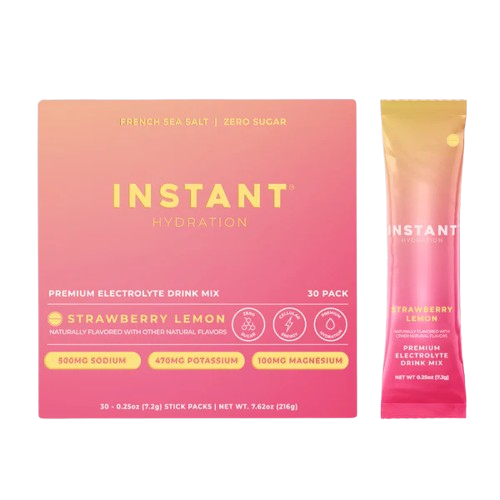
electrolyte products deliver between zero and 35mg per serving. Instant Hydration delivers 100mg,
alongside 470mg potassium and 1,220mg total electrolytes, from sel gris, a grey sea salt
hand-harvested from Atlantic clay marshes in Brittany that retains 80 trace minerals because the
processing that would have removed them never happened.
The sugar matters here too. A standard sports drink delivers 36 grams of it. That produces an
insulin response. Ninety minutes later, blood glucose drops. That drop is the other thing happening
at 2pm for anyone who drank something sweet at lunch, and it compounds whatever the dehydration was
already doing to the prefrontal cortex.
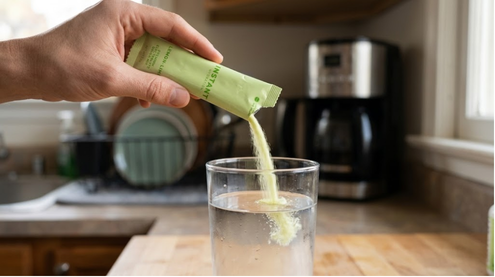
I started mixing Instant Hydration into water first thing in the morning, before coffee, which felt
counterintuitive. The change I noticed wasn't dramatic. It was subtler than that. Work that usually
required effort to start just started. The 2pm slowdown that I'd accepted as a fixed feature of my
days became irregular, then infrequent. My magnesium had been low-normal at my last blood panel.
Low-normal is the kind of result a doctor mentions once and moves past. It turned out to matter more
than either of us treated it.
The productivity industry has built a substantial business selling solutions to a problem that
is,
in a meaningful number of cases, a mineral deficiency dressed up as a focus problem. The
supplements, the apps, the cold plunges. Some of it works. None of it works as well as fixing the
baseline that everything else runs on.

Zero sugar. 1,220mg electrolytes. 100mg magnesium. Free shipping. 50-day money-back guarantee!